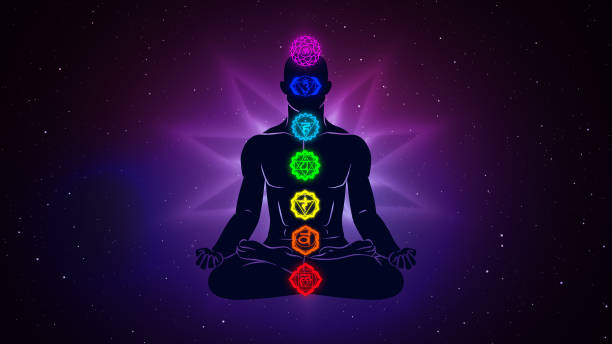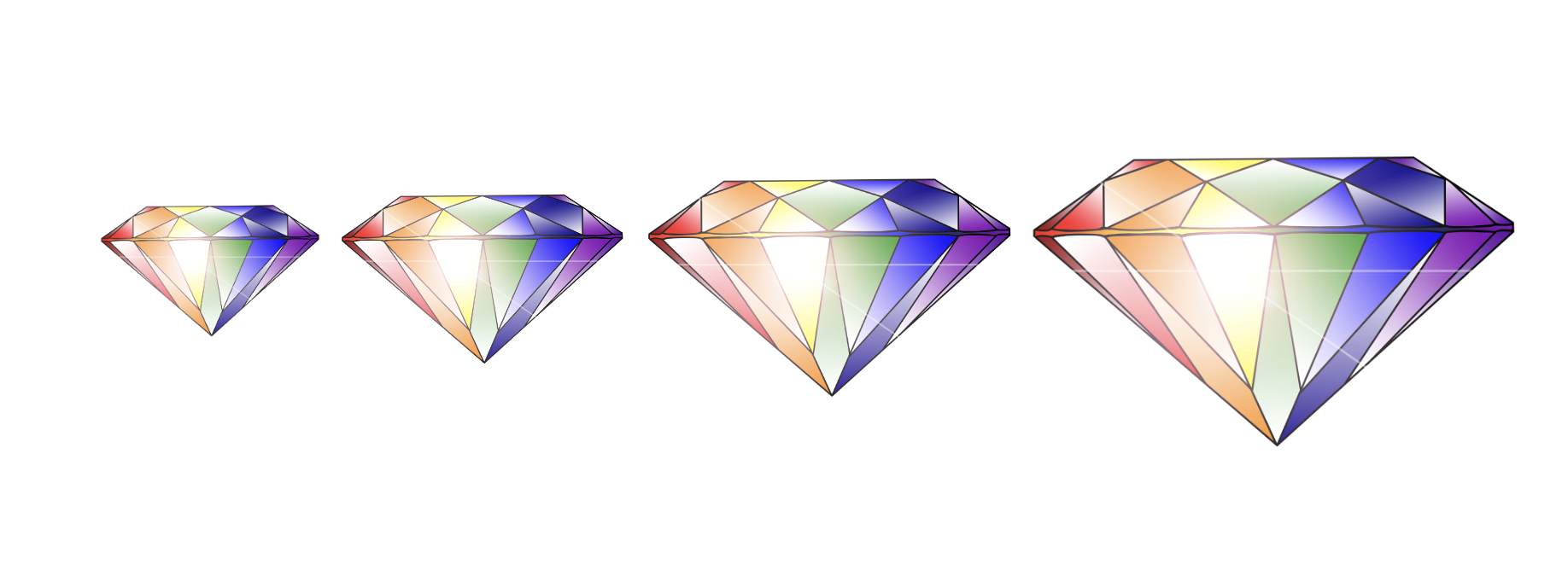
Most people are familiar with the idea that each chakra is associated with a single color—the root chakra with red, the sacral with orange, the stomach chakra with yellow, and so on. This rainbow model is so common that it often appears unquestioned.
But two little-known truths about chakras can completely change how we understand these dominant colors. It can transform how we support a client’s health via their chakras, using healing tools such as therapeutic Diamonds.
Chakras Carry All Seven Colors—Not Just One
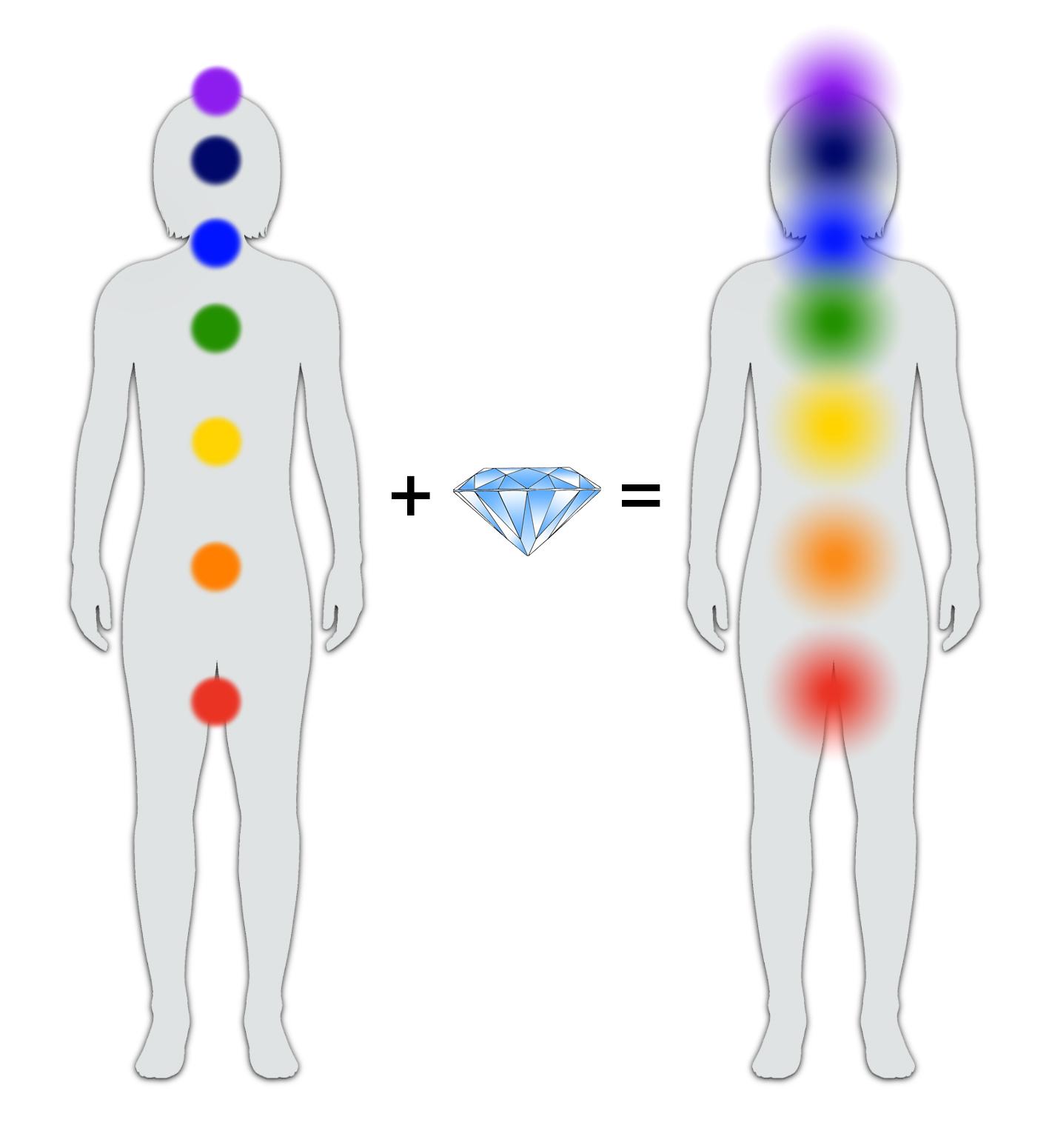
Although each chakra is associated with a dominant color, every chakra is actually fed by the full spectrum of all seven color rays: purple, indigo, blue, green, yellow, orange, and red.
Every part of the body is fed by blueprints that also contain all seven colors. So it’s no wonder chakras do too.
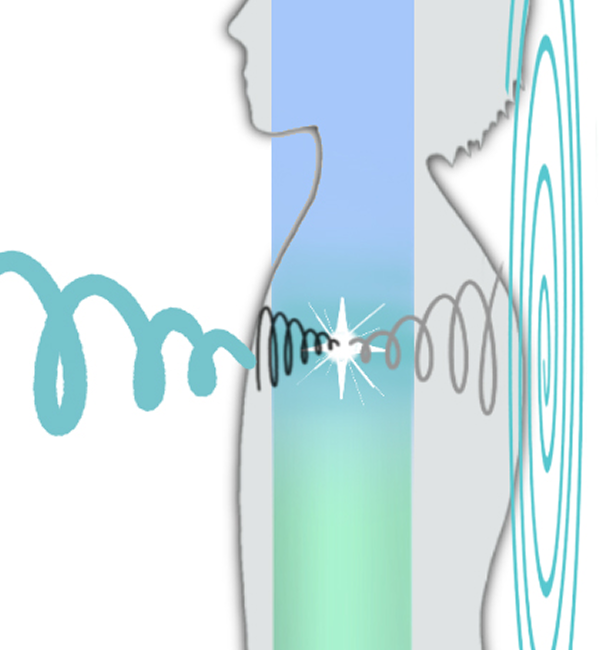
Every chakra has a blueprint—a subtle, multidimensional “instruction set” that tells it how to function, what to nourish, and how to support your health.
These blueprints aren’t static drawings or rigid plans. They’re living patterns made of color‐ray spectrums, carrying wisdom from your highest self into your physical, emotional, and mental bodies—and your chakras.
You can think of a chakra blueprint as the pure version of what that chakra is meant to be:
- Its optimal structure
- Its ideal rhythm and spin
- Its healthiest color spectrum
- Its role in the body’s overall harmony
- Its purpose in your growth and evolution
Blueprints are not created by the chakras—they precede them.
They come from the most expanded, most intelligent part of you: the part that knows why you are here, what you’re learning, and how your body can best support you.

Chakra Colors Don’t Have a Fixed Order
The second thing few people realize is that the familiar rainbow sequence of chakra colors is not fixed. The dominant color of a chakra can change depending on what the body needs.
At any given moment, one color within a chakra’s spectrum will rise to prominence.
When the body’s energies are balanced, that color will be the one we typically identify with that chakra. In reality, the dominant chakra colors are constantly shifting to keep the body in balance.
This shifting is not a sign of imbalance.
It is an expression of the body’s intelligence.
For example, imagine someone whose chakra spectrum shows three different chakras emphasizing yellow. This doesn’t mean their chakras are “wrong.” It means their body is calling for more yellow ray at this time—more support for digestion, elimination, skin health, mental clarity, or any of the yellow ray’s themes.
By looking at which chakras are stepping forward to draw more of a color, we gain meaningful insight into a person’s current physical, emotional, or mental priorities.
What Dominant Colors Reveal About Health
Let’s look at a simple example. Suppose the root chakra, normally associated with red ray, is expressing yellow instead. This can indicate that the body is prioritizing digestive or eliminatory support rather than physical strength and activity.
If the person were highly physically active, the body would be unlikely to sacrifice red ray at the root, because the muscles would need that fuel. It’s usually the least-used or least-needed chakras that will call in a different dominant ray to satisfy the need.
Similarly, if the sacral chakra is expressing yellow instead of orange, it may indicate that relationship matters or creativity are stable for the moment. They don’t require extra orange ray to support relationship issues, or finding a relationship is not a current priority. The sacral chakra is willing to sacrifice orange for another color.
Chakras are dynamic. Their spectrums reorganize themselves based on what the whole system is asking for.
This study of shifting color dominance is deep, intricate, and endlessly fascinating. I explore it fully in Level 2 of our Color Ray curriculum at the Gemstone Therapy Institute. But for now, let’s turn to how a therapeutic Diamond supports the chakras directly.
How Healing Diamonds Feed the Chakras
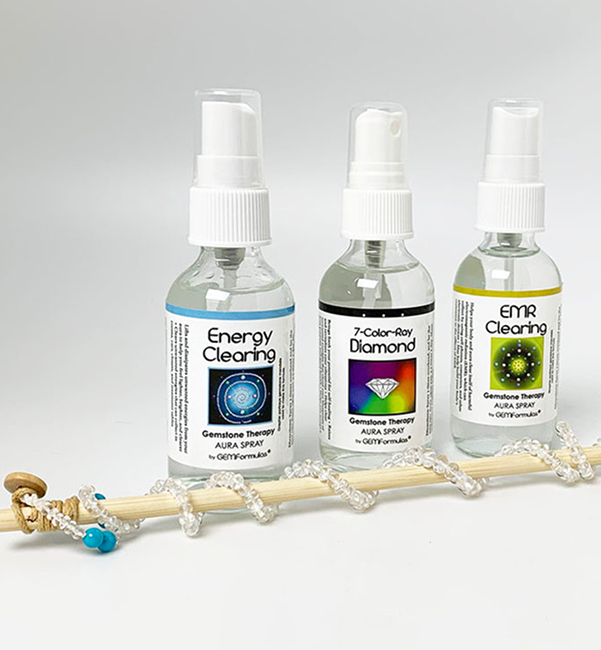
One of the most important benefits of a Healing Diamond is its ability to deliver all seven color rays in relatively equal measure.
Why does this matter?
Because chakras often become:
- muddy
- depleted
- dim
- or uneven in their spectrum
You can usually sense this in yourself: If you feel energized, inspired, and aligned, your chakras likely feel that way too. If you’re drained, overwhelmed, or fatigued, your chakras may be struggling to maintain their color supply.
Ideally, each chakra should pulse with a rich, rhythmic flow of all seven colors, distributing them throughout your body to support healing, maintenance, and self-regulation.
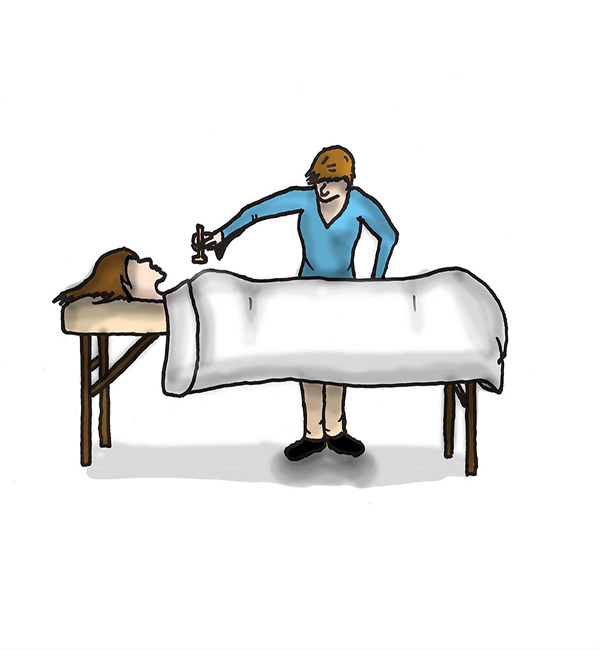
When a therapeutic Diamond is applied correctly, it floods the chakras with a balanced spectrum of color rays. The chakras respond immediately, as if receiving the color they would naturally carry if they were in perfect health.
At the same time, something even more profound occurs: the chakra’s intelligence center awakens. It renews its connection to its blueprint—its original energetic design.
The chakra remembers what it is meant to do and how to nourish the body with accuracy and clarity.
This is why Diamond Therapy can feel so harmonizing. It doesn’t overpower the chakras—it helps them remember.
EXPLORE HEALING DIAMONDS
Isabelle Morton is the founder of the Gemstone Therapy Institute and GEMFormulas, and the original visionary behind Diamond Therapy and Gemstone Therapy, developed in 1987. She has spent decades researching the therapeutic properties of gemstones and diamonds, and is a world-renowned expert on how they work and how to receive their benefits.
Isabelle continues to grow a library of educational material on the subject, and thousands of people, and pets, around the world have benefited from her work. Her dream is to legitimize Diamond and Gemstone Therapy as meaningful energy medicine modalities.
Learn more at gemformulas.com