Most people associate Rose Quartz with love, emotional healing, and letting go of old feelings.
But does Rose Quartz have anything to do with memory?
Much more than you might think.
To understand the connection, we have to know three things.
- Rose Quartz is the vitalizing gemstone for the muscular system.
- There is a principle in Gemstone Therapy that our systems exist at all levels of our being: physical, emotional, causal, mental, and intuitive.
- The muscular system is a system of movement. Muscles allow us to move physically, but movement is a function this system supports at every level of our being.
For example, at the emotional level, the muscular system helps move emotional energy into physical experience, where it can be felt and expressed.
But what does movement have to do with memory?
In Gemstone Therapy, memory is associated with the causal body, one of the subtle aspects of ourselves. So what role might the causal muscular system play in how memory moves, is stored, and is retrieved?
That is the question I’ve been exploring.
Memory Isn’t a Filing Cabinet
I used to imagine that memories were stored in a particular place. Maybe they were assigned to a storage unit, like a filing cabinet or computer hard drive, waiting for us to retrieve them.
I’ve come to realize that although storage is a real function of memory, these comparisons give us the wrong picture of how memory itself works.
I have come to see the causal body much differently. I don’t think of it as a collection of containers filled with memories. It IS memory.
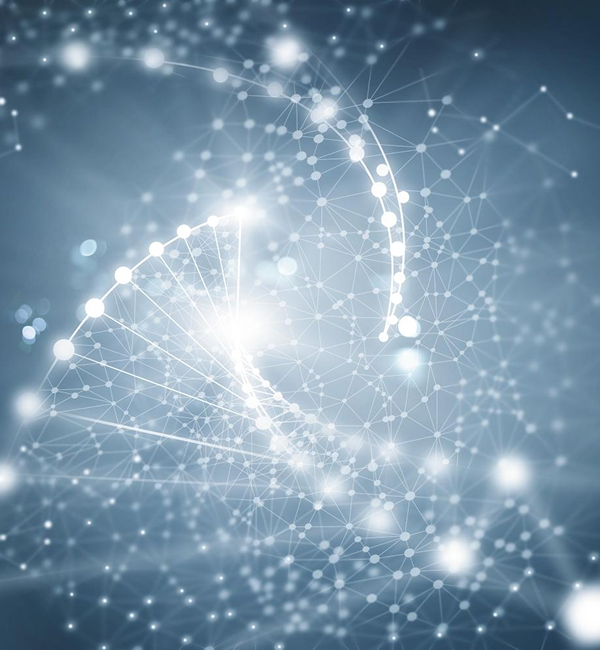
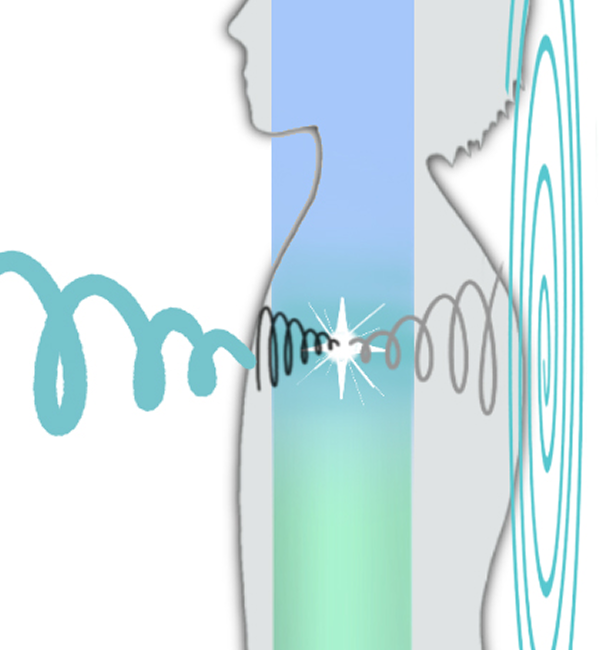
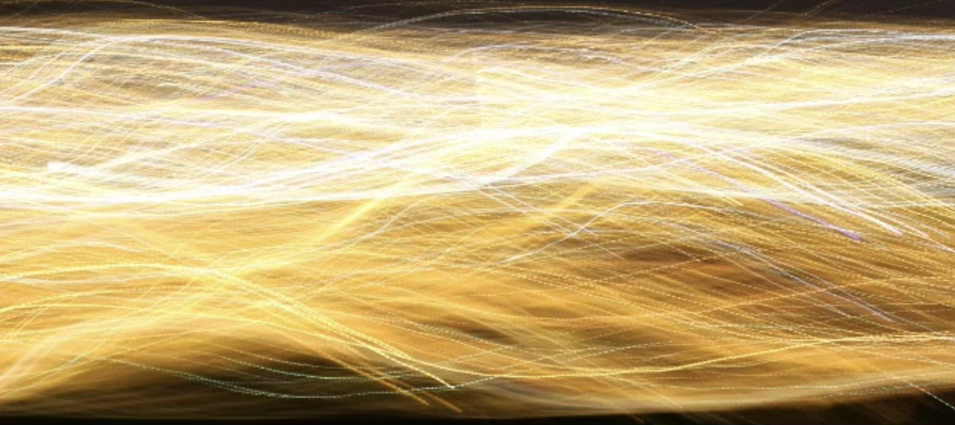
I now envision the causal body as being formed of dynamic threads of light and sound created by memory. These threads continually weave in and out of patterns.
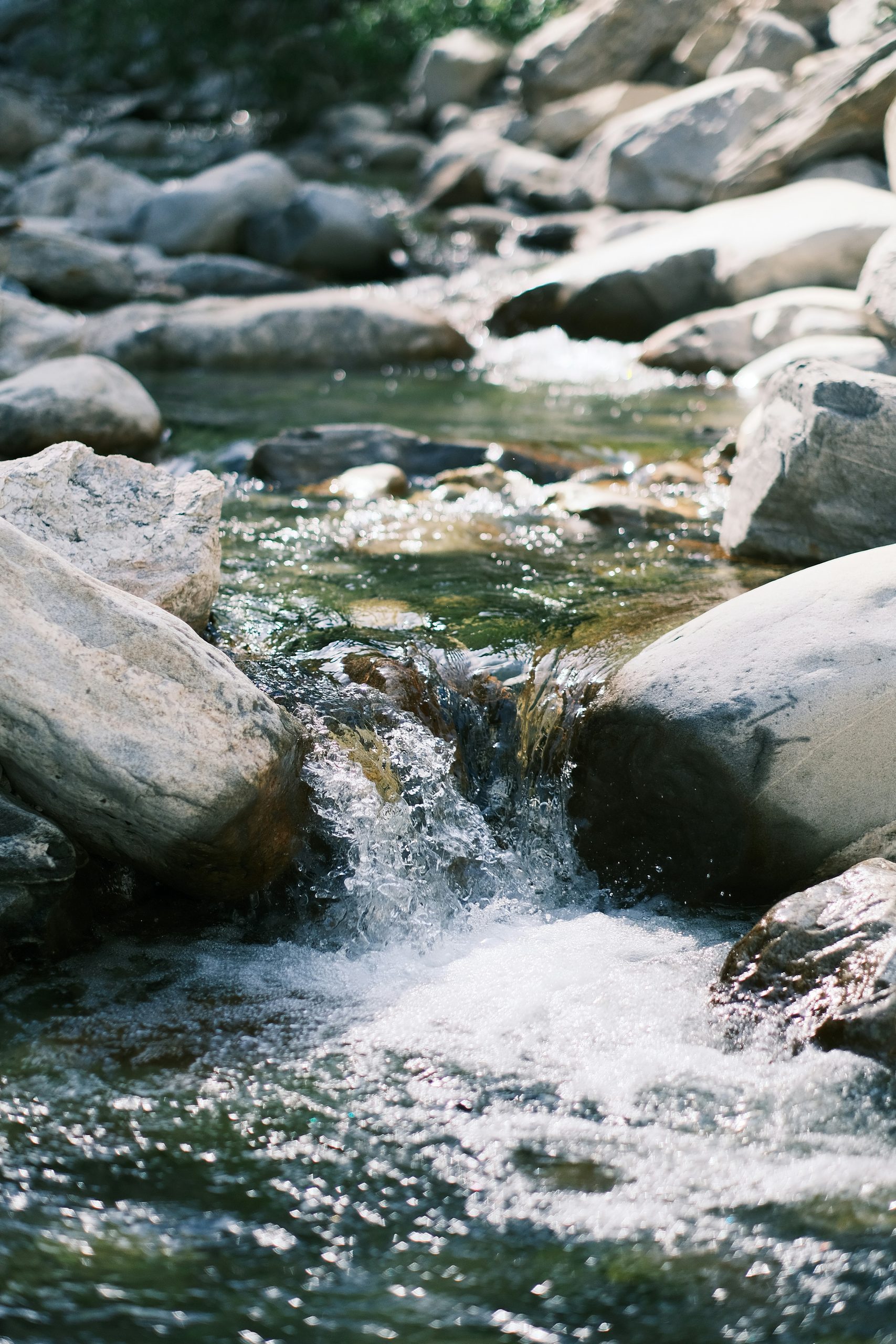
Here’s another way to look at it. Think of a mountain stream.
Memories aren’t books sitting on shelves beside the stream. They’re the water itself.
Some areas flow freely. Others encounter rocks, eddies, and whirlpools. The movement may be easy in one place and more difficult in another.
In this way of understanding the causal body, movement may play a significant role in how memory is stored and retrieved.
Memory Is Fundamental to How We Function
This matters because memory isn’t limited to remembering your childhood, what you ate yesterday, or where you left your car keys.
Every cell in your body, in a sense, remembers how to be what it is and how to perform its functions. Memory participates continuously in the organization and functioning of your body.
So if memory depends on movement, what happens when that movement becomes impeded?
What Happens When Memory Doesn’t Move Freely?
If the causal body is dynamic rather than static, then perhaps some problems with memory aren’t always problems of storage.
Perhaps they can also be problems of movement.
Think again about the mountain stream and the different ways its flow can be obstructed. A rock can divert the current. Debris can slow it. An eddy can keep water circulating in the same place instead of continuing downstream.
I’ve begun to wonder whether something similar can happen with memory.
If so, what we experience as difficulty accessing a memory may not necessarily mean the memory has been lost. The information may still be present but less accessible because something is interfering with its movement.
This is my current understanding, and there is much about the causal body that I am still exploring. But it raises some fascinating possibilities.
Could causal stagnation help explain why a memory sometimes seems completely inaccessible, only to suddenly return?
Could causal blockages contribute to the experience of knowing that you know something, yet being unable to bring the information forward?
And could something resembling an eddy cause the opposite problem—a memory that keeps circulating, haunting us rather than moving on?
If memory is continuously moving within the causal body, then perhaps retaining information is only part of the picture. Keeping that information moving may matter, too.
The Muscular System of the Causal Body
This brings us back to the muscular system.
If movement is the fundamental function shared by the muscular system at every level of our being, then the causal muscular system would support movement within those threads of light.
I’m not suggesting that the causal body has little muscles contracting and relaxing. Physical muscles are simply the means by which the muscular system performs its function at the physical level. At the causal level, that same fundamental function—movement—would be expressed differently.
And this gives me a new way of thinking about Rose Quartz.
Rose Quartz is the vitalizing gemstone for the muscular system. We already know from our experience with it that it can help release suppressed emotional energy that has become held in the supraphysical aspects of the muscles.
So what might Rose Quartz be doing at the causal level?
Perhaps its relationship with memory isn’t simply about helping us remember better.
Perhaps Rose Quartz supports the free movement of memory within the causal body.
That is a very different idea.
And it’s one I’m only beginning to explore.
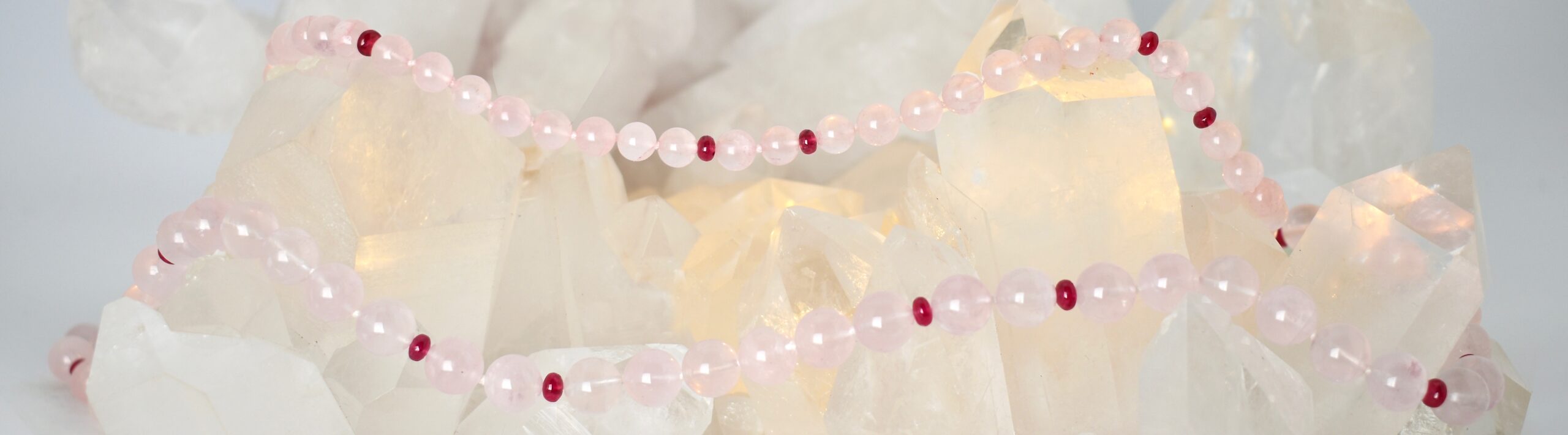
Shop Rose Quartz & Red Spinel
Subscribe to Our Newsletter
Isabelle Morton, B.S., is the founder of the Gemstone Therapy Institute and GEMFormulas, and the original visionary behind Diamond and Gemstone Therapy, which she began developing in 1987. She continues to study and explore the therapeutic properties and applications of gemstones and Diamonds. Isabelle continues to expand her library of educational material. Thousands of people and pets around the world have benefited from her work. Her dream is to see Diamond and Gemstone Therapy recognized as meaningful energy medicine modalities.
Learn more at gemformulas.com