Although I’ve worked with the systems for many years, I’m using this project as an opportunity to look at them freshly and more deeply. That means I’m trying not to assume why something works, simply because I can see that it does.
One thing I do know is that the systems don’t work in isolation. They interact with, rely upon, and support one another for the greater good of the individual. That means I have to be careful about attributing everything I observe to the system I happen to be studying at the time. A change may involve the activity of that system, another system, or several systems working together.
When I don’t yet understand which systems are responsible for what, I would rather leave the question open than assume an answer. I’m up front about this throughout my blog.
Read on, I’d love to share what I’ve learned so far.
The Circulatory System’s Fundamental Function
When we think about the circulatory system, veins, arteries, and blood may come to mind.
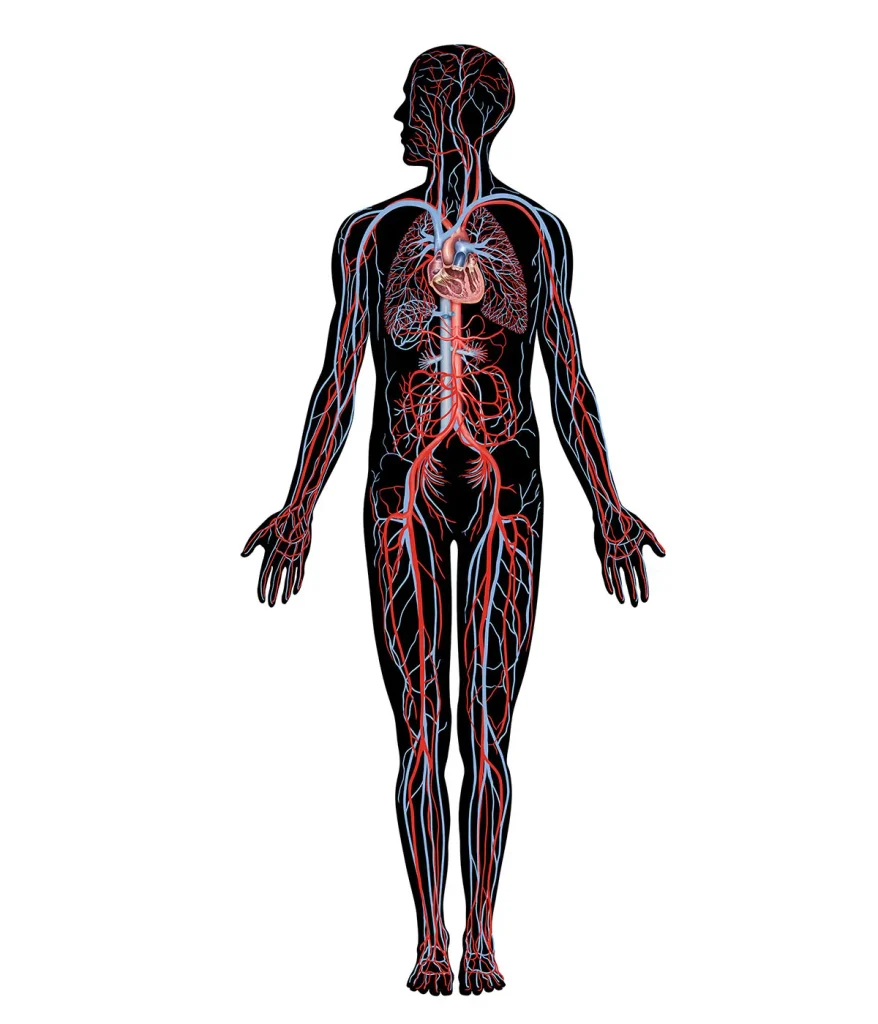
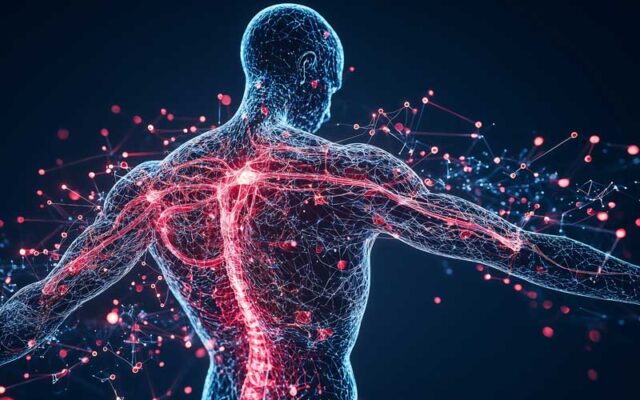
Indeed, blood moves through vessels, carrying oxygen, nutrients, hormones, immune cells, and other materials throughout the physical body. It also carries carbon dioxide and metabolic wastes away from the tissues.
This is how the circulatory system works physically. As I’ve been studying it more closely, I’ve asked the same question I’ve been asking about every system:
What is its fundamental activity—and how does that activity express itself through the supraphysical, emotional, causal, mental, and intuitive bodies?
If my theory about the systems is correct, then each one should perform the same fundamental activity throughout every aspect of our being.
At first, I thought the fundamental activity of the circulatory system was movement. After all, blood moves through the vessels.
But I had recently determined that movement is the fundamental activity of the muscular system. So I had to look more closely. I asked, What does circulation accomplish through movement?
I believe the answer is transport.
The circulatory system transports and distributes materials that are already present, making them available wherever they are needed.
My next job was to explore how transport might be essential throughout the subtle bodies.
Something Can Be Present Without Being Accessible
As I thought about transport, I realized it has a purpose because something can be present—but not always be available where it’s needed.
Oxygen can be present in the blood, but that doesn’t mean every tissue is necessarily receiving an adequate supply of it. Nutrients, hormones, and immune cells can be present—but they still have to be transported to where they are needed.
Their presence is not enough. They have to be accessible.
This was the lens I used to examine each of the subtle bodies and ask whether—and how—transport might be taking place within them.
The Supraphysical Circulatory System
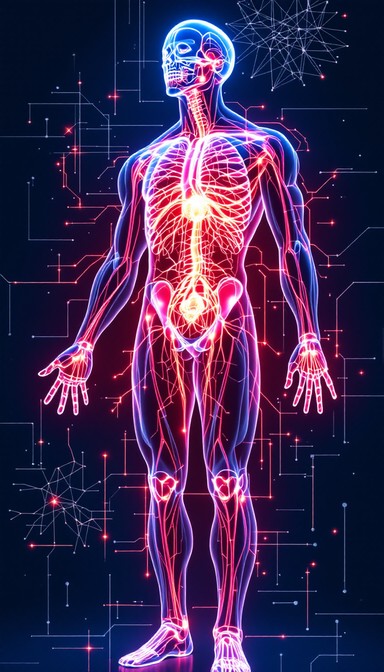
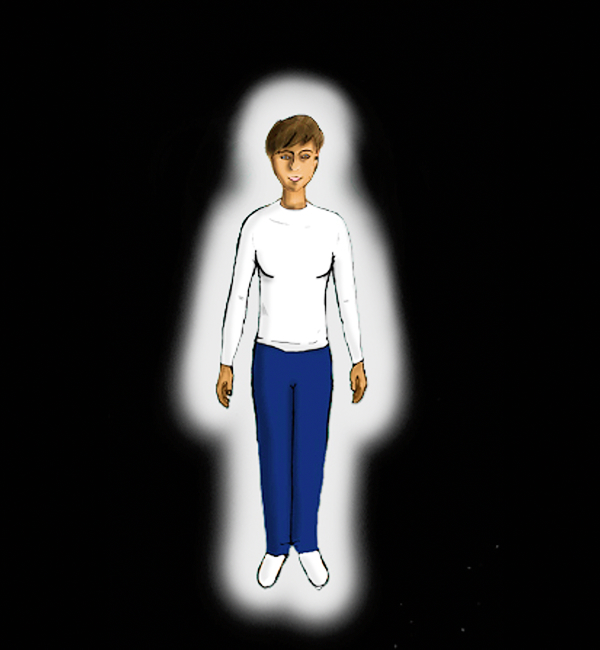
The supraphysical body is the one closest in vibration to the physical body. In my experience, its anatomy and physiology closely resemble the physical body, although they are energetic rather than physically perceptible.
This means that the supraphysical circulatory system mirrors the physical. Supraphysical blood flows through a network of vessels nearly identical to those of its physical counterpart.
This is also the level at which I understand therapeutic gemstone energies to work most directly.
Because the supraphysical body isn’t constrained by physical density in the same way the physical body is, I observe improvements occurring supraphysically more quickly and easily than in the physical.
My current understanding is that the supraphysical then provides a template for the physical to follow. Not the blueprint necessarily, but a model of the next step the physical needs to take to gain greater wellness.
This provides a possible pathway through which working with the supraphysical circulatory system could influence its physical counterpart.
As above, so below.
The Emotional Circulatory System: Making Emotional Materials Available
This is where my exploration of circulation became especially interesting.
In my work, I understand the emotional body to contain raw materials from which emotions are formed.
My current thinking is that the emotional circulatory system helps transport and distribute those materials throughout the emotional body.
If the materials are present but inadequately distributed, only some of them may be readily available when an emotional response forms.
That initial response may feel completely genuine, but when it’s a negative emotion like anger, there may be more nuanced emotions underneath.
As circulatory health improves in the emotional body and more raw materials become available, those more nuanced emotions may become accessible.
If so, healthy emotional circulation could affect not merely how strongly we feel, but how completely and precisely we know what we feel.
It may even affect our capacity for emotional honesty.
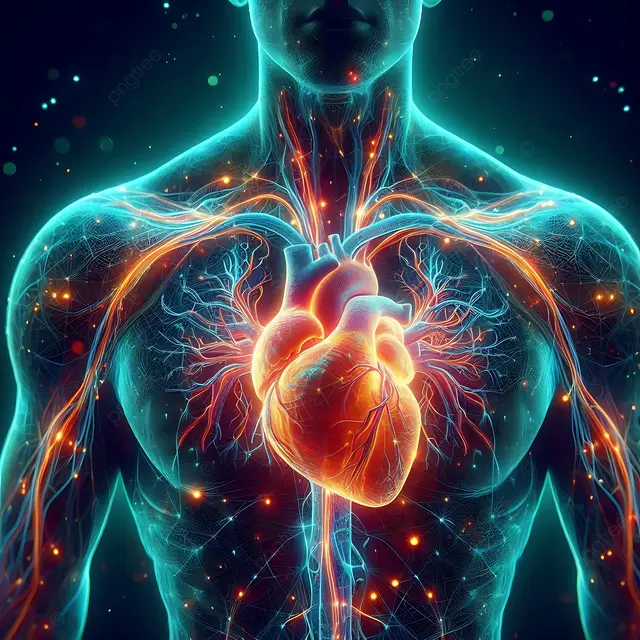
Emotional Circulation May Not Look Like Blood Vessels
If emotional materials are being transported and distributed, the next question is how.
I don’t think we should assume that emotional circulation must rely on something resembling physical blood vessels. I have observed that the farther we move in vibration from the physical body, the less physical-like the anatomy becomes.
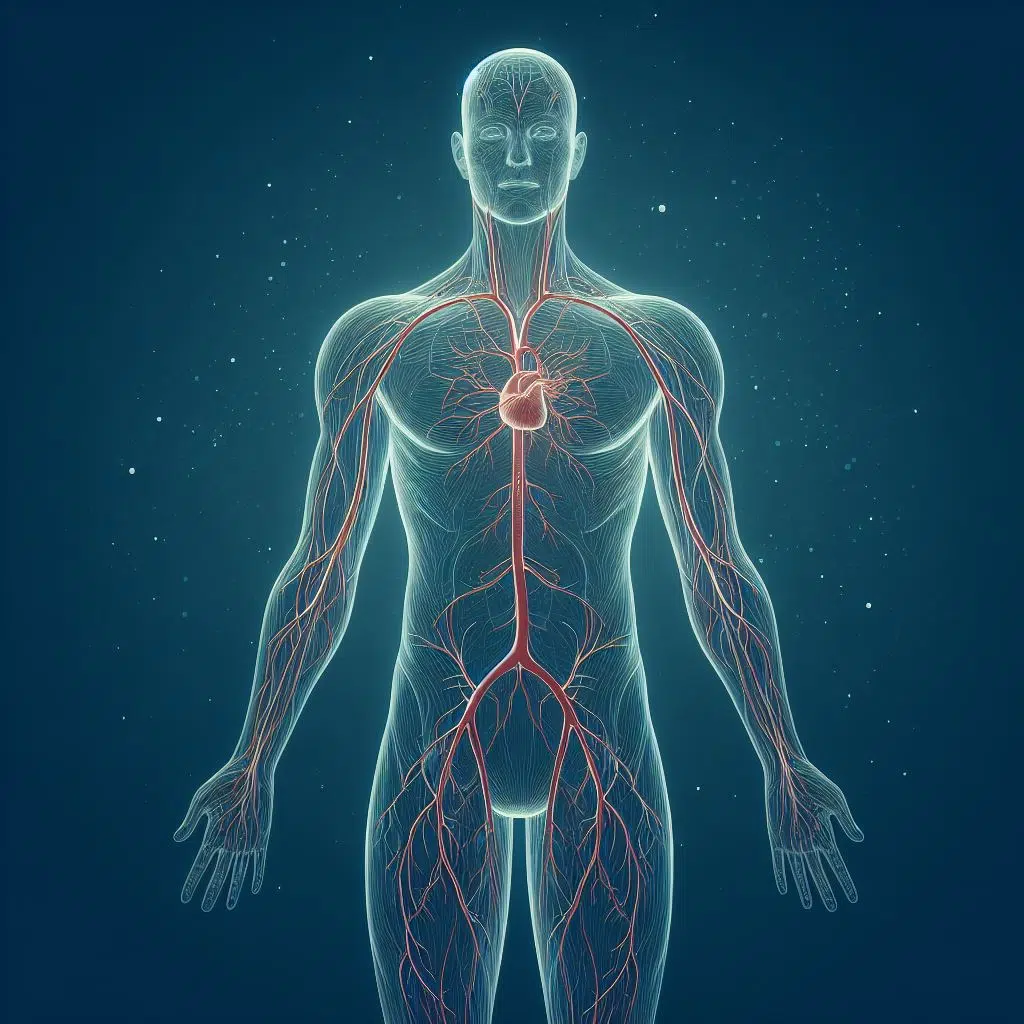
I do perceive anatomy within the emotional body. I see neatly packed, needle-like fibers throughout it that extend between the causal body on one side and the supraphysical body on the other.
But I don’t yet know whether these structures play a role in emotional circulation. There may be other emotional anatomy involved that I haven’t yet identified.
One thing I’ve observed is that emotional materials can become compartmentalized, clustering in disparate areas of the emotional body rather than being evenly available throughout it.
Could this compartmentalization help explain why some emotional raw materials aren’t available when an emotional response forms? If so, it could help explain why anger sometimes forms without the more nuanced emotions underneath being available to inform a truer emotional response.
So at this point, I can observe the distribution problem, but I can’t yet describe the mechanism by which emotional materials are transported from one area to another.
That is something I now know to look for.
The Causal Circulatory System: Transporting the Materials of Memory
The causal body presents a different question.

My current understanding of the causal body is that memory is associated with dynamic threads of light and sound. Threads involved with memories active in a person’s life continually move and weave in and out of patterns.
Our earlier exploration of the muscular system led me to consider whether the causal muscular system helps support movement within these dynamic threads.
Circulation appears to have a different role.
I’m now wondering whether the causal body contains raw materials from which memories are formed, and whether the causal circulatory system transports and distributes those materials so they are available for memory formation.
A different function may then organize those materials into lasting memories. I don’t yet know which system performs that function.
For now, the distinction I find most useful is:
My current thinking is that the causal circulatory system makes available the constituent causal materials from which memory can be formed. The causal muscular system supports movement of the resulting partially or fully formed memories.
Understanding more about how these different functions work together may eventually help us understand why some memories form incompletely, why some become difficult to access, and why others remain extraordinarily vivid.
But those relationships still need to be explored.
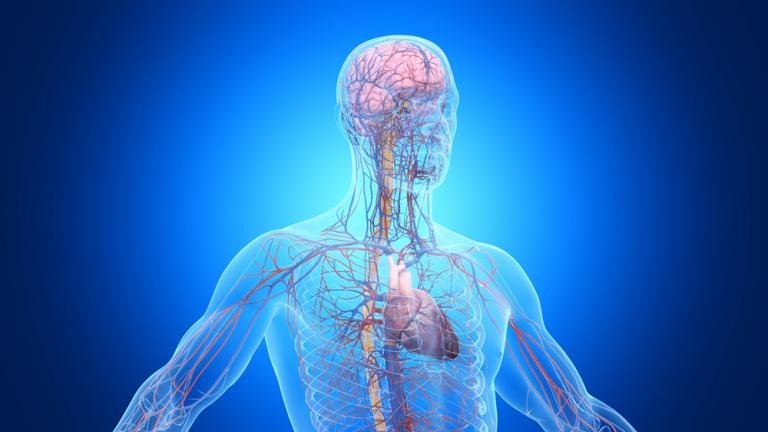
The Mental Circulatory System: Making Mental Materials Available
Just as the emotional body may contain raw materials from which emotions are formed, I’m wondering whether the mental body contains raw materials from which thoughts are formed.
If so, the mental circulatory system may help transport and distribute those materials, making them available when a thought forms.
Consider a simple thought:
He’s an idiot.
That thought may feel completely accurate in the moment. But what if only some of the available mental materials participated in forming it?
With more mental materials available, a more complete thought might form:
I don’t actually think he’s an idiot. I disagree with the decisions he’s making. I think he’s disregarding information that should matter, and I’m angry because those decisions hurt other people.
The first thought wasn’t necessarily false. It may simply have formed from a more limited set of mental materials.
This raises the possibility that healthy mental circulation could influence not only our access to a broader variety of mental materials, but the completeness and complexity of the thoughts that form from them.
As with memory, however, circulation may only make the constituent materials available. Some other function may be responsible for organizing those materials into thoughts.
The Intuitive Circulatory System
Based on my observations, a person may have an overall depleted intuitive body, in which case I surmise they may have little intuitive access in any area of their life. Or, a person may have intuition in only certain areas of their life and surprisingly little access in others. In this case, poor circulation may help explain the uneven access.
If intuitive resources are not equally available throughout the intuitive body, a person can have extraordinary intuition in areas of their life associated with the presence of those resources.
My current thinking is that the intuitive circulatory system helps distribute existing intuitive resources throughout the intuitive body, making them available where they are needed. With healthier circulation, the individual is more likely to enjoy broader intuitive access across different areas of their life.
The Same Activity Doesn’t Require the Same Anatomy
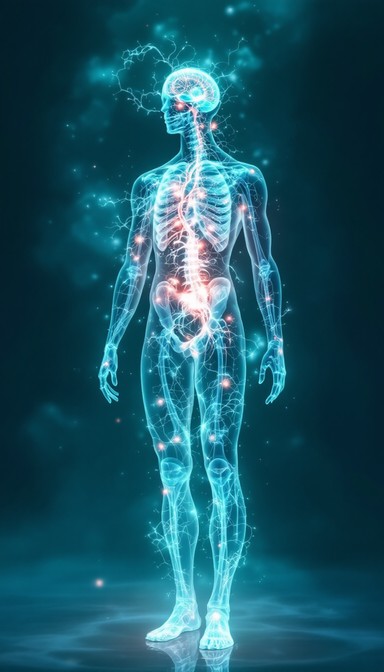
One of the most useful things this project is teaching me is not to confuse a system’s fundamental activity with the particular anatomy through which that activity is expressed.
In the physical body, circulation occurs through a remarkable network of blood vessels.
In the emotional body, I perceive anatomy, but I don’t yet know whether or how it participates in circulation.
In the causal body, I’m beginning to consider what materials might be transported and how their availability may contribute to the formation of memory.
In the mental and intuitive bodies, I’m exploring how circulation may affect the availability and distribution of their respective resources.
Yet the same fundamental activity may be recognizable throughout: transporting and distributing materials that are already present so they become available where they are needed.
That may be the thread that allows us to recognize the circulatory system without assuming that its anatomy or the materials it transports must be the same from one body to another.
What Dumortierite & Carnelian May Be Teaching Us
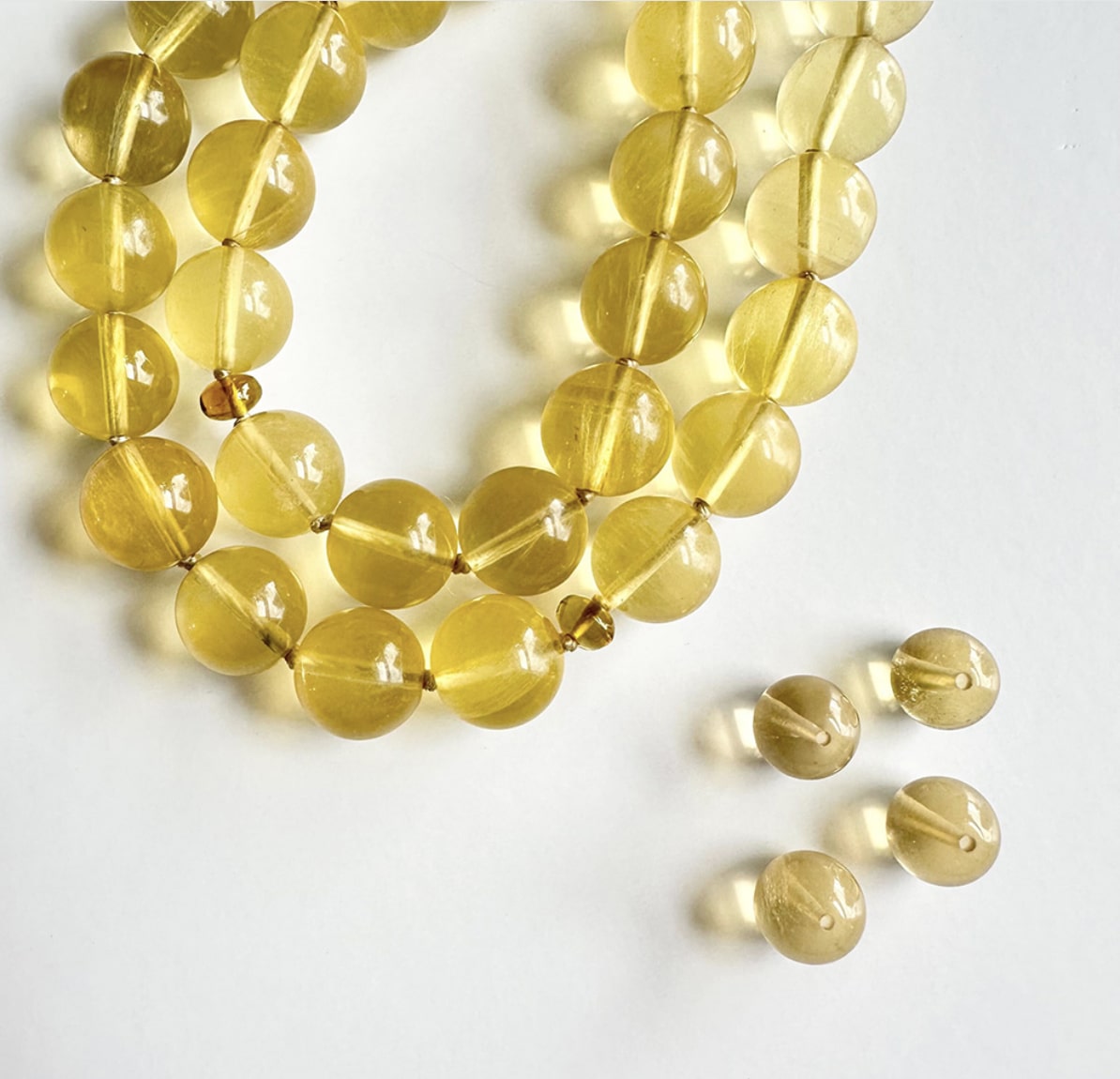
This brings me back to the vitalizing gemstone pair for the circulatory system: Dumortierite & Carnelian.
Dumortierite supports the vessel walls in fulfilling their function as healthy conduits for blood flow. Carnelian vitalizes the blood and encourages its healthy movement through the vessels.

I’ve understood those actions physically and supraphysically for years. More broadly, Dumortierite supports the structures through which energies flow, while Carnelian vitalizes what flows through them.
As I continue exploring the anatomy and physiology of the subtle bodies, the structures and materials involved in circulation may become clearer. But how do the unique frequencies of these gemstones support the availability and distribution of resources throughout a subtle body? I’m excited to find out.
Where This Exploration Is Leading
I’ve worked with the systems for many years, but this project is giving me an opportunity to look at them freshly and more deeply. The circulatory system has shown me how much there still is to discover.
Asking what circulation fundamentally does led me to transport. Transport led me to questions about availability. And availability led me to ask what is being transported, through what structures, how those materials may contribute to the formation of emotions, memories, and thoughts, and how intuitive resources become available.
I don’t want to fill the spaces in my understanding with assumptions. What I do know is that the systems don’t work in isolation. They interact with, rely upon, and support one another for the greater good of the individual. Understanding where one system’s activity ends may eventually help me understand where another begins—and how they work together.
For now, the unanswered questions show me where to look next.
Shop Dumortierite & Carnelian Necklace
Subscribe to Our Newsletter
Isabelle Morton, B.S., is the founder of the Gemstone Therapy Institute and GEMFormulas, and the original visionary behind Diamond and Gemstone Therapy, which she began developing in 1987. She continues to study and explore the therapeutic properties and applications of gemstones and Diamonds. Isabelle continues to expand her library of educational material. Thousands of people and pets around the world have benefited from her work. Her dream is to see Diamond and Gemstone Therapy recognized as meaningful energy medicine modalities.
Learn more at gemformulas.com